Introduction
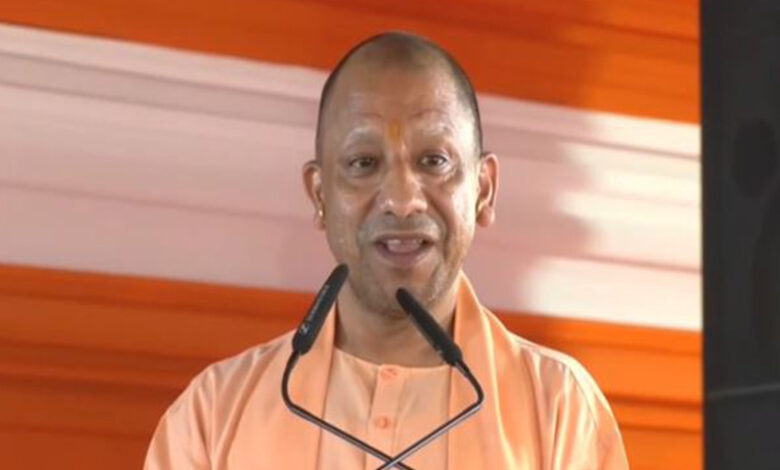
In India, the renaming of towns,cities and streets has often been more than an administrative decision; it’s a statement of identity and ideology. The latest example is the proposal by chief minister Adityanath yogi to rename the village Mustafabad In Ghaziabad district to Kabir Dham. The move has sparked political and communal debates, once again highlighting how symbolism and politics intertwine in the nation’s social landscape.
The proposal and the political pitch
According to reports, the renaming proposal seeks to honour the 15th century mystic poet Sant Kabir Das, revered across communities for his message of unity, peace, and spirituality.
The Yogi Aditya Nath Government has forwarded the proposal to the union home ministry for approval.
Supporters of Yogi Adityanath argue that the change celebrates India’s spiritual heritage, and aligns with the government’s broader effort to “restore cultural pride”.
However, critics see the move differently. Opposition leaders and several Civil Society groups have called it “another instance of selective cultural erasure”, aimed at sidelining Islamic names from public memory. They argue that such a symbolic change diverts attention from pressing governance issues like unemployment, inflation, and rural distress .
The Larger Pattern
The renaming of Mustafabad is not an isolated case. Over the past few years, multiple cities have undergone similar transformation.—
- Allahabad become Prayagraj
- Faizabad become Ayodhya,
- Mughalsarai become Deen Dayal Upadhyay Nagar
- there are ongoing demands to rename Ahmedabad to Karnavati
Each renaming stirs similar debates, heritage versus ideology, inclusion versus identity politics. The trend reflects how cultural symbolism has become a political tool to define narratives about nationalism and belonging.
Communal over tunes and the narrative battle
While the government frames these changes as an effort to revive “Bharatiya Sanskriti”, critics argue that the risk deepening communal divisions. Mustafabad, originally named during the Delhi Sultanate period, carries historical and cultural significance. It proposed renaming, opponents say, represents a rewriting of India’s pluralistic past.
On social media, reactions have been sharply polarised. Supporters use hashtags like #KabirDham And #CulturalRestoration While Other Counter With #IdentityPolitics
The Digital Become a new battleground for shaping public opinion around such decisions
Kabir: the irony of the symbol
What adds complexity to the debate is the choice of Sant Kabir himself, a figure who achieved religious harmony and rejected the rigidities of both Hinduism and Islam. Scholars note that invoking Kabir‘s name for a move that has stirred communal tension is deeply ironic.
As political analysts point out, “Kabir’s message was about dissolving religious labels, not reinforcing them”.
Media and communication perspective
From a media and communication lens, this controversy highlights how symbolic politics function through language and narrative. The renaming issue dominates news cycles, fuels, prime- time debates, and often shapes voter emotions more than policy announcements.
Television discussions, opinion pieces, and online commentary shows how framing can influence perception:
- Government communication emphasises “cultural pride,”
- opposition messaging centres on “communalisation,”
- Neutral voices called for historical contextualisation
- The communication war does become as significant as the decision itself.
Conclusion
The proposed renaming of Mustafabad to Kabir Dham goes far beyond changing a signboard. It reflects the ongoing contest over India’s collective memory, who gets to define it, preserve it,,or rewrite it. Whether seen as culture revival or political manoeuvring, One truth stands clear: names in India are never just names, they are narratives - ALSO WATCH
keywords: mustafabad, yogi adityanath,up politics 2025,uttar pradesh