New satellite footage reveals fresh cracks and strong lava movement as the Ethiopia volcano eruption intensifies today.
Scientists confirm that the eruption shows rare flashes of Ethiopia volcano blue lava, a sulfur-burning effect that creates a glowing blue flame around the crater.
Global travel updates also remain tense as several Bali volcano eruption flights cancelled reports go viral, prompting airlines to reassess routes across high-risk zones.
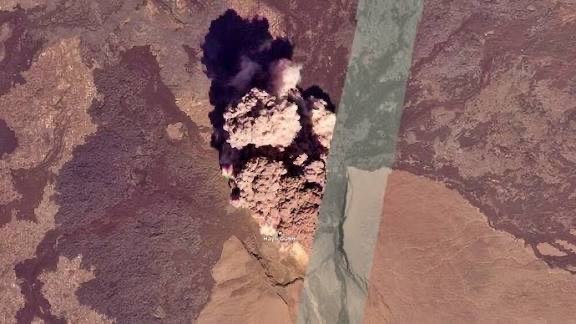
High-resolution satellite images show continuous thermal activity around Erta Ale, making the daily news Ethiopia volcano trend worldwide.
Emergency teams track the lava lake in real time and issue live health alerts for nearby residents to avoid ash exposure and stay indoors during high emission hours.
Researchers analysing magma pressure say the Ethiopia volcano eruption intensifies because rising tectonic stress in the Afar Rift triggers fresh lava release.
The reaction between sulfur gases and oxygen creates the dramatic Ethiopia volcano blue lava, which appears brighter during nighttime satellite passes.
Tourism operators update safety guidelines for people planning an Ethiopia volcano tour, advising them to stay away from the crater rim until activity slows.
As global volcanic events trend online, searches for active volcano in India also rise.
India’s only active volcano,Barren Island remains stable, but researchers use global patterns,
including the Ethiopia volcano eruption, to study long-term tectonic behavior.
Satellite images from today clearly show expanding lava fields, thicker ash plumes, and increased gas emissions.
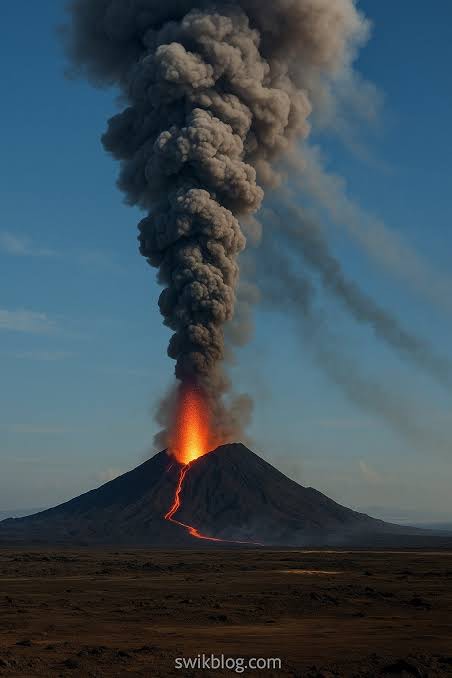
Experts confirm that tectonic stretching, magma pressure, and sulfur ignition collectively explain the dramatic visuals captured in today’s satellite imagery.
With more Bali volcano eruption flights cancelled and travel routes shifting, authorities urge passengers to check real-time updates before flying.
The situation around the Ethiopia volcano eruption remains active, and scientists continue monitoring the region closely