Australia social media ban: On 10 December 2025, Australia became the first country in the world to enforce a national law that prevents individuals under the age of 16 from holding or creating accounts on major social media platforms.
The law, formally known as the Online Safety Amendment (Social Media Minimum Age) Bill 2024, amends the existing Online Safety Act 2021 to impose new online safety obligations on technology companies.
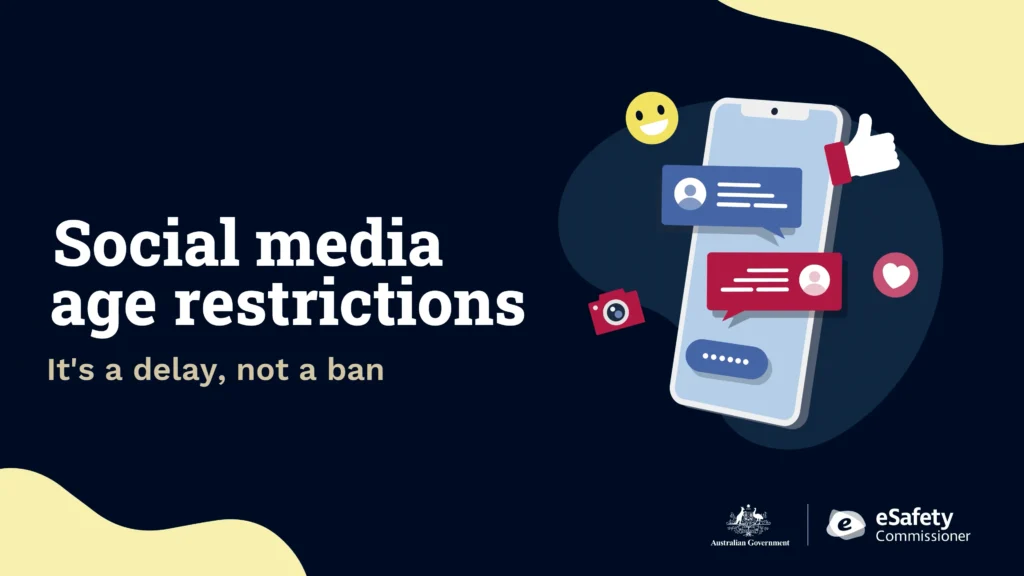
It targets what the government defines as “age‑restricted social media platforms” and places the responsibility for enforcement squarely on the platforms themselves.
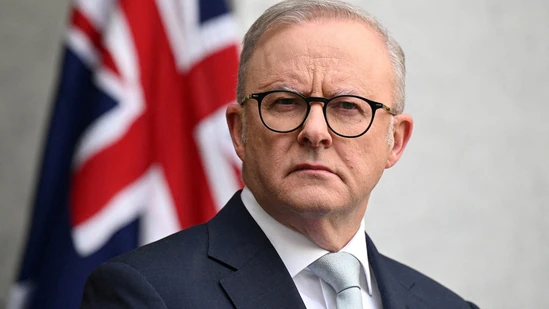
The Albanese government introduced the law with the stated goal of protecting children and teenagers from documented harms associated with social media use (Reuters Files)
These harms include exposure to cyberbullying, psychological stress, addictive design elements, and harmful or manipulative content that could affect mental health.
Supporters of the law say that requiring platforms to prevent under‑16s from having accounts will reduce these risks and give young people more time to develop digital resilience before they join online social networks.
What the Law Requires
Under the amended legislation, platforms must take “reasonable steps” to ensure that Australians under the age of 16 do not have social media accounts on designated services.
The law does not criminalize children or their parents; instead, it imposes compliance duties on platforms.
Platforms that fail to implement appropriate age‑restriction measures risk fines of up to A$49.5 million (about US $32–33 million) for each breach.
Government regulators have identified an initial list of 10 age‑restricted social media platforms that are subject to the law, including:
- TikTok
- Snapchat
- X (formerly Twitter)
- YouTube
- Twitch
- Kick
- Threads
These platforms must deactivate any existing under‑16 accounts and prevent the creation of new ones for users under 16 in Australia.
To comply, companies must adopt a range of age assurance and age‑verification processes.
How Age Verification May Work
The legislation says that platforms must take reasonable steps to restrict under‑16s, but it does not prescribe a single method for age verification or enforcement, leaving companies flexibility in how they comply.
Possible approaches include:
- Document‑based Verification: Platforms can allow users to provide official identification, such as passports, driver’s licenses, or government ID cards, for age verification through trusted third‑party services.
- AI and Behavioral Inference: Companies may use artificial intelligence and behavioral data to infer user age based on patterns of use and metadata.
- Biometric Age Estimation: Some platforms could deploy facial analysis or biometric solutions to estimate age from a user’s photo or video selfie.
While these methods offer flexibility, they also raise concerns about privacy, data security, and accuracy.
For example, critics note that AI‑based age estimation can produce errors, and extensive ID collection could create risks if user data is mishandled.
Nevertheless, the law itself does not mandate a specific technology, and platforms may innovate within the regulatory framework to meet the “reasonable steps” standard.
What Under‑16s Can Still Access
Despite the account restrictions, children under 16 are still permitted to view publicly accessible content on social media platforms without logging in.
For example, they may still watch videos on YouTube or browse public pages on Instagram as long as the content does not require a registered account to access.
This distinction reflects the law’s focus on preventing under‑16s from interacting and posting while allowing access to passive content consumption.
Additionally, several types of digital services are exempt from the age restrictions, including educational platforms, professional tools, email services, and messaging apps that do not primarily enable social interaction between users.
This ensures that communication and learning tools commonly used by children remain accessible.
Government and Regulator Roles
The eSafety Commissioner, Australia’s national online safety regulator, will play a central role in overseeing compliance.
The regulator will issue guidance to platforms, monitor enforcement actions, and may require regular reporting from companies on how many under‑16 accounts they remove or block.
The Commissioner’s office also assists platforms in understanding how to apply age‑restriction definitions and enforcement procedures in practical terms.
Communications Minister Anika Wells has stated that monthly reporting and six‑month follow‑ups are expected as part of the government’s oversight to ensure that compliance improves over time.
This structured approach signals that regulators intend to treat enforcement as an ongoing process rather than a one‑off action.
Supporters’ Perspective
Proponents of the law argue that it aligns with broader efforts to protect children’s mental health and well‑being.
The Australian eSafety Commission has highlighted research linking younger adolescents’ social media use with increased stress, anxiety, reduced sleep, and other well‑being concerns.
Delaying introduction to social media until age 16 may allow minors more time to develop social and emotional skills while reducing early exposure to potentially harmful digital environments.
Advocates also emphasize that the law places the responsibility for safety where it belongs: with platforms that design and operate environments where interactions occur.
By forcing companies to innovate and implement age‑appropriate safeguards, Australia hopes to set a precedent for global internet safety standards.
Criticism and Practical Challenges
Despite support from some child safety advocates, the law has drawn substantial criticism from technology companies, legal experts, and digital rights organizations.
Tech giants such as Google and Meta have called the enforcement framework “extremely difficult” to implement and argued that simply deactivating accounts will not address underlying safety risks.
They caution that users circumventing age checks may lose access to built‑in safety features like content filters, which often require logged‑in accounts to function effectively.
Critics also warn that stringent age restrictions could inadvertently push young users toward unregulated or less safe corners of the internet, including private chat apps, anonymous forums, or peer‑to‑peer communication services where moderation is limited or absent.
These spaces may pose equal or greater risks than regulated platforms, diminishing the intended protective effect of the law.
Moreover, legal challenges have already emerged.
Advocacy groups, such as the Digital Freedom Project and even some platforms like Reddit, have raised constitutional concerns, arguing that the ban may conflict with Australia’s implied right to political communication and free expression.
These challenges are likely to be tested in the High Court of Australia, potentially shaping the future of the law’s enforcement and scope.
Global Influence and Next Steps
Australia’s social media age restriction has attracted international attention and debate.
Some jurisdictions, including parts of Europe and policymakers in the United States and United Kingdom, are closely monitoring the outcomes as they consider similar child safety measures.
Early public opinion surveys in other countries suggest growing support for age‑based limits on social media, although approaches vary widely depending on legal, cultural, and technological contexts. The Times of India
Looking ahead, the effectiveness of Australia’s law will depend on how platforms implement age‑restriction systems, how regulators enforce compliance, and whether the policy truly reduces harm without creating unintended negative consequences.
As the law continues to operate in practice, both supporters and critics will watch closely to assess its impact on children, families, and the global digital landscape.


- About Us – Facts Beyond Border (FBB)
- Contact us
- Declaration
- Privacy Policy
- Term and conditions
- Write For FBB
- Trump Says War with Iran Could Last Four Weeks History Disagrees
- From Kerala to Keralam: Heritage Move or Hidden Agenda?
- IIT Bombay Security Alert: College Dropout Arrested After Live Bullets Found in Hostel
- The Arrest of Andrew Mountbatten-Windsor: A Deep Look at the UK Scandal Rocking the Royal Family
- Italy Cricket Team’s T20 World Cup Hero Crishan Kalugamage Once Worked at a Pizza Shop
- Aviation
- Aviation News
- Bollywood legal news
- Business and economy
- Crime / Scams
- current affairs
- Cybersecurity / Technology News
- Daily Updates
- Delhi High Court News
- Delhi news
- education policy
- Entertainment
- Global Affairs
- global economy
- Health / Medical News
- india news
- Indore News
- international news
- law and policy
- Maharashtra politics
- Media and society
- national news
- News and Current Event
- politics
- Politics and culture
- Politics and Law
- society and culture
- sports
- Technology / Social Media News
- Technology & Society
- Trending and Politics
- Trending and Politics
- Trending and technology
- Uncategorized
- Weather / Natural Disasters
- world news
- World News / International News
- •
- adiala jail
- afghanistan pakistan border tension
- Air pollution in delhi
- Air quality crisis
- Airport security
- AK-47 found
- Al-Falha University news
- Aloknath
- American politics headlines
- Aravalli environmental protection
- Aravalli forests
- Aravalli Hills
- Assam land controversy
- aus
- australia
- Australia shooting
- Aviation safety
- bali volcano
- balochistan
- Bangladesh
- Bangladesh Election Result 2026
- Bengaluru airport GPS
- bengaluru rape case
- Bhagirathpura water crisis
- Bhavish AGGARWAL
- bihar
- Bihar election Results
- bihar elections
- Bihar Elections 2025
- Bihar Vote Count
- Bilateral trade
- bjp
- BJP Shinde Alliance
- BJP vs Congress
- BMC Election Results
- Bollywood
- bomb blast
- Brain temple device
- breaking news
- Budget 2026
- cambodia
- car blast delhi
- caste bias
- caste discrimination
- ceasefire
- Children health and pollution
- china politics
- Chirag Paswan
- comedian kunal kamra
- congress party
- cough syrup deaths
- Crishan Kalugamage
- Current affairs India
- Custom seizure
- Cybersecurity
- cyclone
- cyclone ditwah
- daily news
- death penalty
- Deepinder Goya
- Delhi air pollution
- Delhi air quality
- Delhi airport
- Delhi airport GPS
- Delhi alert
- Delhi AQI today
- Delhi Blast news
- Delhi CM
- Delhi crime update
- Delhi explosives case
- DELHI GOVT
- Delhi HC alimony ruling
- Delhi Metro
- delhi new district
- Delhi news
- delhi news today
- delhi police
- Delhi pollution
- Delhi pollution news today
- delhi pollution protest
- Delhi Red Fort blast
- Delhi smog crisis
- Delhi Terror Alert
- DGCA
- DGCA penalty on IndiGo
- Dhaka
- Dhaka court
- Dharmendra death'
- Dharmendra deol
- DHS work permit
- Digital Culture
- dima hasao.
- diwali2025
- Doctor arrested
- donald trump
- Donald Trump on world peace
- Donald Trump peace statement
- Dr Muzamil Shakil
- Droupadi Murmu
- durand line dispute
- echnology Ethics
- economy
- election
- Election Commission of India
- Electoral Transparency
- Environmental conservation India
- ethiopia volcano
- ethiopia volcano eruption
- Explosives seized near Delhi
- fake silk
- Fake Voters Controversy
- Family law India
- Faridabad terror case
- FBB
- fbbdaily
- FIR
- fire cracker
- Fortress Europe
- Gold price india
- Gold smuggling
- GPS
- GPS spoofing
- guwahati high court
- H-1B Visa
- H-4 EAD rule
- H-Files
- Haryana Election 2025
- High Court maintenance order
- Horror comedy genre
- Human rights in Europe
- hyper nationalism
- ICC T20 World Cup
- IIT Bombay
- IIT Bombay hostel incident
- IIT Bombay security breach
- imran khan
- india
- INDIA AUSTRALIA highlights
- india GPS spoofing
- india pakistan relation
- INDIA vs AUS
- Indian airport news
- Indian Economy
- indian elections
- indian export
- Indian Politics
- Indians in US
- IndigGo Airlines
- IndiGo
- indiGo flight Cancel
- IndiGo flight delay
- Indore municipal water supply
- Indore water contamination
- Instagram data leak
- International Security
- IPS Y.Puran kumar
- iran
- Iran protests 2026
- IRCTC share price today
- IRCTC shares NSE BSE
- IRCTC stock
- israel
- Italy Cricket Team
- Jammu and Kashmir doctors
- JFK Airport Mystery
- kapil sharma
- kathmandu
- Kerala to Keralam
- kerela
- kunal kamra
- kunan kamra RSS tshirt
- Madhya Pradesh news 2025
- Madhya Pradesh public health
- Mahabal cement
- Maithili thakur
- Map controversy
- Mardaani 3
- Medicine quality control India
- Medicine safety regulations India
- Meta
- metro renaming
- Middle East protests
- Migration in Europe
- missing children data controversy
- modi controversy
- money laundering
- Mumbai airport GPS
- Mumbai BMC Election 2026
- Mumbai crime news
- Mumbai Politics
- MUSTAFABAD
- narendra modi
- National security
- nationalism in india
- Nationwide protests in Iran
- NDA Leads
- Nepal
- Nepal currency
- New DElhi
- New South Wales shooting
- Nirmala Sitharaman
- Nonexistent Country
- NSW Police
- odisha
- Ola electric
- Online privacy
- pakistan
- pakistan afghanistan 2025
- panjab university
- Passenger impact
- pitampura stations
- PMLA
- PoK and Aksai Chin
- Police investigation
- Political analysis
- Political controversey
- political polarisation
- poverty
- Prabhas
- president
- Prince Andrew arrest 2026
- protest
- public anger
- Rahul Gandhi
- Rajpal Yadav cheque bounce case
- Rajpal Yadav legal case
- Rajpal Yadav surrender
- rape case
- Red EcoSport car hunt
- Red Fort
- red fort attack 2025
- red fort blast
- Red Fort Blast case
- Refugee crisis Europe
- Rekha Gupta
- republic day security
- Room 13 Al-Falha University
- russia trade boost
- sajeeb wazed
- salman khan
- salmankhan news
- Scam
- Section 125 CrPC
- Sheikh hasina
- shreyas talpade
- sixth schedule
- Social Issues
- social media
- social media ban
- social media politics
- sonia gandhi
- sri lanka
- st/sc
- Stock market news India
- strike
- student protest
- suicide case
- Supreme Court Aravalli ruling
- swiggy
- T series modi song
- tariff cut
- Tarique Rahman.
- Tax Policy
- terror alert
- thailand
- thailand defence
- Thailand launches air strike
- The HE Man
- The Raja Saab
- The Raja Saab movie
- Tirumala
- tirumala allegation
- Torenza Passport
- toxic work culture
- trade deal
- Travel news
- Trending news India
- tribal community
- Trump
- Trump administration
- Trump Donald
- TTD scam
- U.S.
- UGC Act 2026
- UGC Equity Rules Anti-Discrimination Policy
- UGC Regulations
- UK breaking news
- UK News
- Union Cabinet decision
- UP POLITICS
- US Government
- US immigration 2025
- US Politics
- UTTAR PRADESH
- Viral News 2025
- Voter Fraud Allegations
- Wahington news
- Wearable brain technology
- West Bengal politics
- WhatsApp security
- women protection
- women rights
- women safety
- YOGI ADITYANATH
- Youth voter trends
- zomato
- Zomato CEO