India US trade deal
After months of rising tensions and tariff threats that rattled markets across two continents,
India and the United States have announced a landmark India-US trade deal this week that cuts through years of friction in one of the world’s most important economic relationships.
Leaders in Washington and New Delhi are framing this as a fresh start that not only reduces punitive tariffs but also restructures the nature of commercial ties between the world’s largest democracies.
At the heart of the breakthrough is a sharp reduction in U.S. tariffs on Indian goods.
Under the new understanding, Washington will pull back its reciprocal tariff from 25 per cent to 18 per cent,
and drop the additional 25 per cent penalty that had been leveled at Indian exports in response to New Delhi’s Russian oil purchases.
Indian exporters welcomed the tariff relief,
which they hope will make Made in India products more competitive in a market that accounts for billions in potential sales.
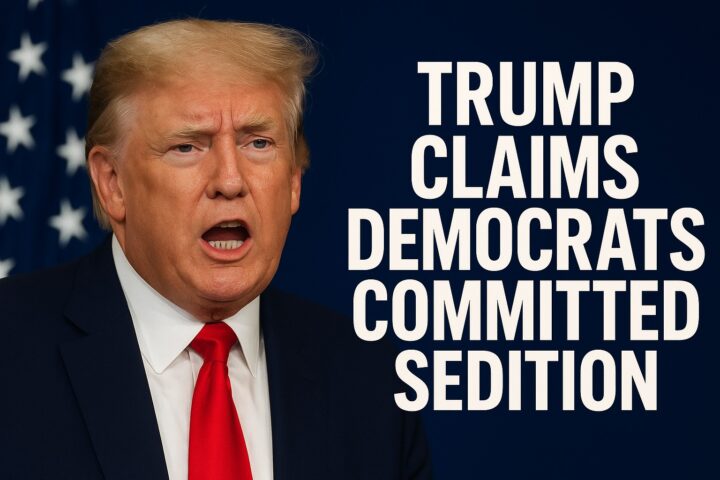
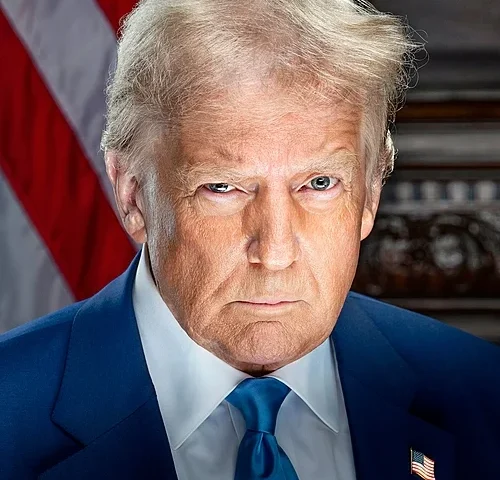
Prime Minister Narendra Modi and U.S. President Donald Trump each took to social media
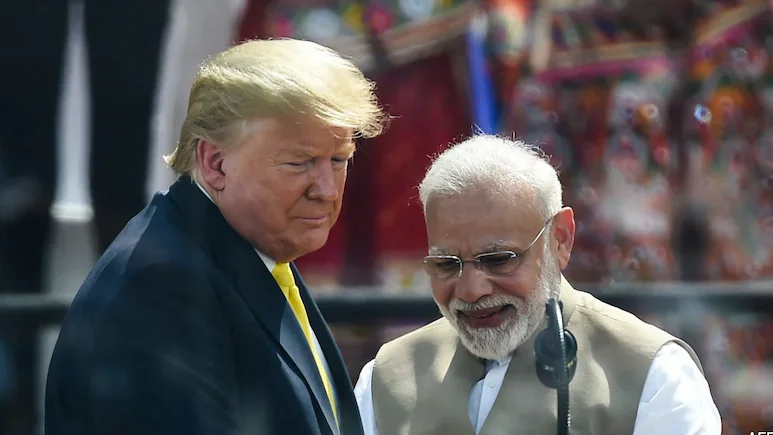
to frame the pact as the product of personal rapport and shared goals.
Trump called Modi one of his “greatest friends” and said the deal was reached “out of friendship and respect,
” highlighting India’s pledge to reduce Russian oil imports — a key sticking point earlier in negotiations.
Modi echoed the sentiment, expressing optimism that economic cooperation would benefit ordinary citizens in both countries.
What the India-US Trade Deal Means in Practice
For India’s exporters, the most tangible impact of the India-US trade deal
is tariff relief that could boost competitive advantage in key sectors.
Reduced duties mean Indian goods from textiles and auto components to pharmaceuticals
and specialty chemicals become more attractive to American buyers.
Institutional investors and exporters reacted positively: Indian markets rose sharply after the announcement,
the rupee strengthened, and sectors sensitive to overseas demand saw price gains.
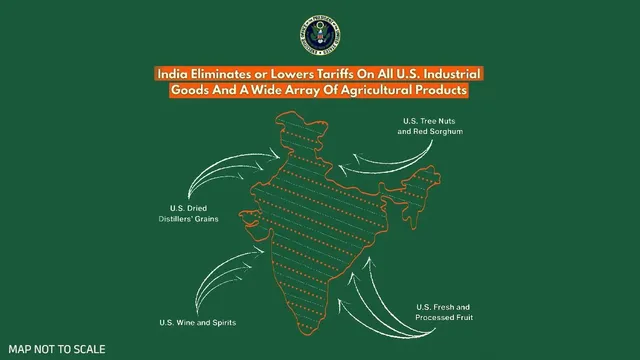
Conversely, India also signaled it will lower many of its own barriers on U.S. goods,
offering zero tariffs on a wide swath of American industrial imports.
Washington has also secured commitments for India to increase purchases
of U.S. energy products, aircraft, defence equipment and technology, part of a broader push to rebalance historic trade asymmetries.
A potentially transformative side of the agreement involves agricultural market access.
Certain Indian products including natural resources, coffee, tea, and fruits like bananas and oranges
may be eligible for reduced or zero duties under provisions tailored for aligned partners.
If finalized, this could open roughly $10 billion in Indian exports to duty-free entry into the U.S.,
a significant expansion given the longstanding barriers in agri-trade talks.
Strategic Context: Energy and Geopolitics
The India-US trade deal is not just a numbers game.
Energy has been a major geopolitical lever in this negotiation.
India has been one of the world’s largest importers of Russian crude,
drawn by cost-effective supplies that help keep domestic fuel prices stable.
Washington was clear during talks that continued reliance on Russian energy would be incompatible with the reset it sought.
Modi’s implicit willingness to shift sourcing — not overnight but over time — was crucial in unlocking tariff concessions.
This energy dimension underscores how economic relations increasingly
dovetail with larger geopolitical issues, from supply chain security to the fallout of the Ukraine conflict.
For the U.S., fostering a reliable partnership with India helps balance China’s influence in the Indo-Pacific.
For India, diversifying energy sources aligns with long-term strategic and economic objectives.
Limits and Lingering Concerns
Despite the fanfare, experts and industry watchers caution that the deal’s details still matter enormously.
The tariff figures announced an 18 per cent rate on Indian exports may be a relief compared with earlier punitive hikes,
but they are not the zero-duty access Indian industry had hoped for.
More critically, high tariffs remain intact on certain strategic metals like steel, aluminum and copper
due to U.S. national security rules, meaning key Indian sectors may see little relief on those fronts.
Analysts also point out that many aspects of the pact remain in flux.
The official text is not yet finalized, and precise timelines, quotas and regulatory frameworks still need to be set.
There are unanswered questions around services trade, digital commerce, and labour or environmental standards
areas that could define how deep and durable this cooperation becomes.
Indian farmers’ groups and some political voices have already expressed concern about agricultural imports from the U.S.,
warning that zero-duty access for U.S. farm products could undercut domestic cultivation in sensitive sectors like dairy and sugar.
How New Delhi balances domestic protections with the thrust toward
liberalization will be a test of political calibration in the months ahead.
Looking Forward
For now, both capitals are selling the India-US trade deal as a win.
It has eased tariff pressures, buoyed markets, and reset frayed ties after an
unpredictable period of tariff escalations that rattled traders and policymakers alike.
It also underscores a broader pattern: India is seeking deeper economic integration with major markets,
as evidenced by its concurrent trade negotiations with the EU and the UK.
Yet the outcome will be measured not just in percentage points of duty
but in how durable and wide-ranging the partnership becomes.
Will this deal spark broader cooperation on services, investment, and technology exchange?
Can it withstand political shifts in either country?
And critically, will economic gains translate into tangible benefits for workers, farmers and businesses at all scales?
Those questions will define the next chapter of India-U.S. relations.