Introduction:
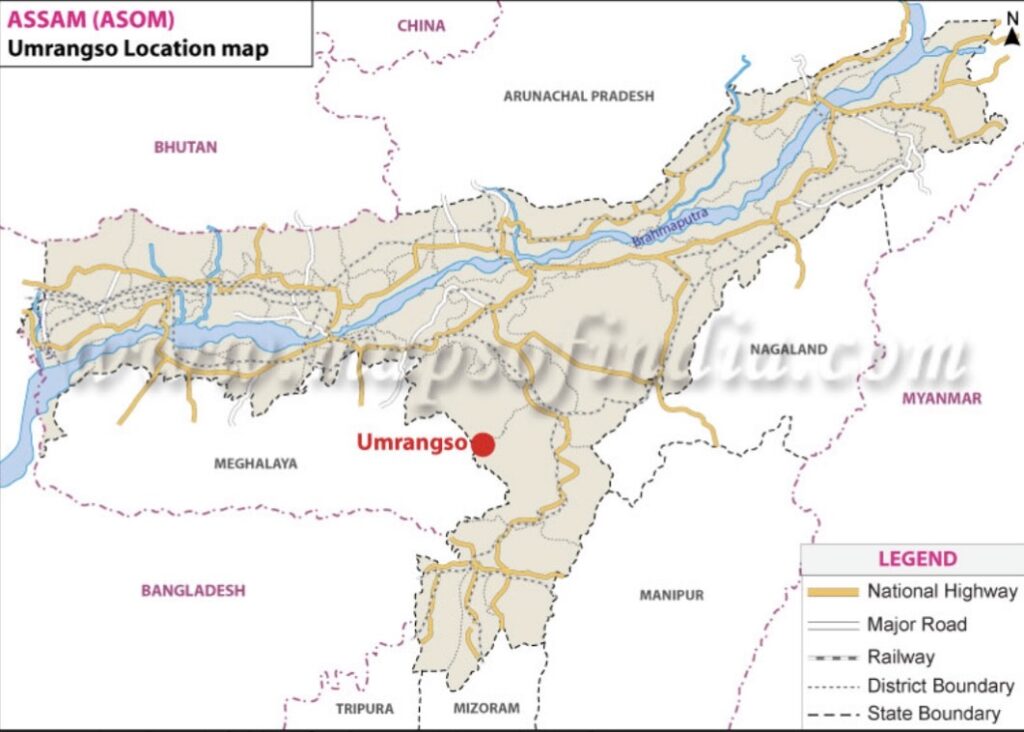
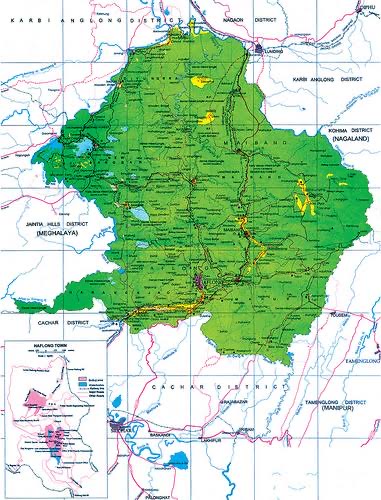
While the world debated politics and cricket, a silent storm was brewing in the hills of Dima Hasao, Assam.
What began as whispers of a development project has now turned into one of the most heated debates in the state—The Assam Land Controversy in Dima Hasao.
At the heart of it lies nearly 3000 Bighas of tribal land, allegedly allotted to the Mahabal cement project,
move that raised serious question about tribal land right, environmental accountability, and the autonomy guaranteed under the six schedule
How the controversy unfolded
In mid 2024, locals in the Dima Hasao noticed heavy machinery and survey teams on their ancestral lands.
By early 2025, the North Cachar Hills Autonomous Council leased nearly 3000 bighas of land in Dima Hasao to a private firm linked to the Mahabal Cement Project.
Villagers later said the government and company never informed or consulted them before taking the decision.
as news spread, people from nearby villages took to the streets, accusing the authorities of offering meagre compensation,
sometime just ₹2 lakh per family for land that had sustained their livelihood for generations
The Gauhati High Court steps in
The matter reached the Gauhati High Court in August 2025, during the hearing,
the judges expressed shock at the sheer size of the land transfer, calling it “extraordinary”
and asking the government and the North Cachar Hills autonomous Council (NCHAC) to produce all records of the deal.
The court‘s reaction instantly turned the issue into a headline, grabbing Assam land controversy.
Judges questioned how such a massive tract of land within a constitutionally protected tribal district could be handed over to a private company without transparent procedures.
Sixth Schedule and the law protecting tribal lands
The sixth schedule of the Indian constitution is meant to protect regions like Dima Hasao.
where Local councils manage land and resources in line with tribal traditions.
Under this framework, no tribal land can be transferred to non-tribal or private companies
without the council’s approval and proper consultation with affected communities.
The Assam land controversy in Dima Hasao strikes at the very heart of these safeguards.
Legal experts argue that if this allotment is upheld,
it could set a dangerous precedent , weakening tribal land right across Northeast India.
The Mahabal Cement project — development or displacement?
Supporters of the Mahabal cement project say it will bring much needed development, employment infrastructure and industry:
to a remote hill district, long neglected by policymakers.
However, local residents and activists tell a different story. The FBB news investigation uncovered testimonies that they were neither consulted nor compensated fairly.
Many allege intimidation, pressure to vacate and damage to farm land and forest before any formal approval was shown to them.
Assam environment at risk
Environmentalist war that the Assam environment coma, specially in Dima Hasao cannot sustain aggressive industrialisation
Cement production requires extensive limestone. , heavy water use, and deforestation—all of which can destabilise slopes and threaten biodiversity.
Reports suggest that environmental clearance for the Mahabal cement project was still “under process” when ground activities begin.
if true, this would violate both state regulations and National environmental norms.
The Gauhati High Court has asked for clarification on this upcoming hearing.
Voices from the ground
- a 42 year old farmer, says officials marked his family’s land without any notice. “They came with machines,”he recalls.”We asked for papers,but they said, ‘you’ll get compensation later”
- Rangmai, a village elder, said, “this is not just about land—This is our forest, Our graves, our fields. You cannot replace that with a cheque.”
Why this matters beyond Assam
The Assam land controversy is not just about one company or one district. It’s a reflection of a deeper national tension between development and right.
If authorities can lease tribal land in Dima hasao this easily, it raises a serious question what stops the same from happening in other sixth schedule regions like Meghalaya, Tripura, and Mizoram.
FBB Editorial Take
What’s unfolding in Dima Hasao is not just a policy mistake. its a part of a larger pattern . officials and companies draft development plans in distant conference rooms, without ever stepping onto the land or listening to the people whose lives they are about to change
The promise of progress means little when the people meant to benefit from it are the last to know it’s happening.