Aravalli Forests 100 Metre Rule: Why Cutting Even Low Hills Can Change North India’s Ecology
If you think cutting parts of the Aravalli forests won’t really change much, think again.
The Supreme Court’s recent decision linked to the “100-metre rule” for the Aravalli Hills could quietly reshape one of India’s most fragile ecological systems. (MoEF Report)
This is not just a legal or technical debate. It has long-term consequences for environmental protection, groundwater recharge, air pollution control, desertification, mining regulation, and climate resilience across North India.
What Is the Aravalli Forests 100 Metre Rule?
Under the Supreme Court-approved interpretation, only landforms that rise 100 metres or more above the surrounding area qualify as “Aravalli hills.” Areas falling below this threshold may no longer receive the same level of legal protection that earlier court rulings had extended to the entire Aravalli landscape ICFRE reports
For decades, courts treated the Aravallis as an ecologically sensitive zone, restricting mining, construction, and deforestation. The new definition narrows that protection by relying primarily on height, not ecological function.
Why Ecologists Say the Definition Is Flawed
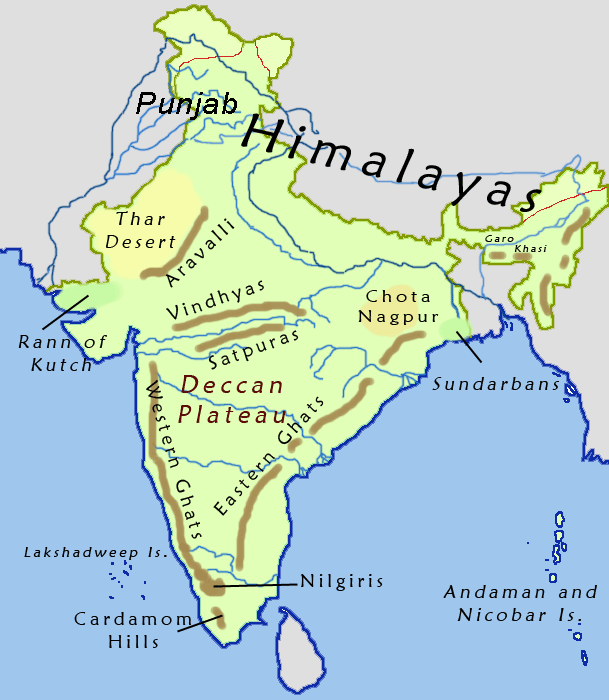
The Aravalli range is one of the oldest mountain systems in the world, stretching across Rajasthan, Haryana, Delhi, and Gujarat (FSI reports)
Unlike the Himalayas, the Aravallis are not defined by towering peaks.
They consist of:
- Low hills and rocky outcrops
- Scrub forests and grasslands
- Shallow ridges and forested slopes
Many of these features are well below 100 metres in height, yet they play a crucial role in:
- Biodiversity conservation
- Soil stability
- Groundwater recharge
- Climate moderation
By focusing only on elevation, the ruling risks excluding large, ecologically vital parts of the Aravalli ecosystem from protection.
Impact on Groundwater Recharge and Water Security
One of the most serious consequences of weakening Aravalli protection is groundwater depletion.
The rocky structure of the Aravallis acts like a sponge, allowing rainwater to percolate slowly and recharge underground aquifers. CGWB Study
Mining, construction, and land flattening disrupt this natural process.
Cities such as Gurugram, Faridabad, Jaipur, and parts of Delhi NCR, already facing severe water stress, could see groundwater levels decline even faster if these areas are opened up.
Air Pollution, Dust Storms, and Public Health
The Aravallis serve as a natural barrier against desert dust coming from western Rajasthan. Even low ridges and scrub vegetation help slow wind speed and trap particulate matter (Teri Study)
If these areas are cleared:
- Dust storms may become more frequent
- Air quality in NCR could deteriorate further
- Respiratory and health risks may rise, especially during summers
This impact may not be immediate, but it accumulates over time.
Desertification and Loss of Agricultural Stability
The Aravalli range plays a key role in checking the eastward spread of the Thar Desert. Weakening this barrier, even in small patches, increases the risk of gradual desertification.
Over time, fertile land can turn semi-arid, affecting:
- Agriculture
- Rural livelihoods
- Regional food security
Once this process begins, reversing it becomes extremely difficult.
Wildlife Habitat Fragmentation
The Aravalli forests support a wide range of wildlife, including:
- Leopards
- Jackals
- Birds and reptiles
- Native plant species
When hills are flattened and forests cleared, wildlife corridors break. Animals are pushed closer to human settlements, increasing human-wildlife conflict and reducing biodiversity.
Supporters vs Critics of the 100 Metre Rule
Supporters argue that the 100-metre rule provides clarity and helps regulate legal mining activities.
Critics, however, warn that it creates dangerous loopholes, allowing mining and construction to resume in areas that are ecologically part of the Aravalli system but fail to meet a technical height requirement.
The concern is not sudden destruction, but slow, irreversible damage, approved project by project.
Why the Aravalli Forests 100 Metre Rule Matters
So yes, something will change if the Aravalli forests and low hills are cut.
The impact may not be visible overnight, but over the years it will show up as:
- Falling groundwater levels
- Hotter cities
- Dirtier air
- Shrinking forests
- Weaker climate resilience
The Supreme Court’s decision is not just about mapping hills. It raises a larger question: how India defines and defends its natural ecosystems in an era of climate crisis.
FAQs
Is the Aravalli forests 100 metre rule scientifically accurate?
Many ecologists argue it is not, because ecological importance is not determined by height alone.
Will this rule affect Delhi NCR?
Yes. Parts of Delhi NCR rely heavily on the Aravallis for groundwater recharge and air quality regulation.
Does the ruling allow mining in the Aravallis?
It may create legal space for mining and construction in areas that fall below the 100-metre definition.
Can the environmental damage be reversed?
Damage to groundwater systems, forests, and biodiversity is often slow to appear but hard to reverse.
(Aravalli forests 100 metre rule)


- From Kerala to Keralam: Heritage Move or Hidden Agenda?
- IIT Bombay Security Alert: College Dropout Arrested After Live Bullets Found in Hostel
- The Arrest of Andrew Mountbatten-Windsor: A Deep Look at the UK Scandal Rocking the Royal Family
- Italy Cricket Team’s T20 World Cup Hero Crishan Kalugamage Once Worked at a Pizza Shop
- Bangladesh Election Result 2026 Live: BNP Leads Big in Dhaka as Tarique Rahman Poised to Become PM