Iran Protests 2026
The streets of Iran have not been quiet for months. What started as a spark has turned into a steady blaze.
People have taken to squares, avenues, and alleyways, and they keep returning, day after day.
You can’t help but notice the determination in their eyes, even when the air is thick with tear gas and uncertainty.
It began with anger over restrictions, economic pressures, and a feeling that the system no longer listens.
And yet, what started as protests over specific grievances has grown into something deeper an insistence that voices must be heard.
Have these protests faded? Not even close. In fact, they have evolved, grown sharper, and spread wider than many expected.
Every morning, the city wakes with tension, Traffic flows around barricades, shops open cautiously, and social media buzzes with videos that sometimes feel impossible to verify.
But each clip tells a story: a crowd chanting, a candlelight vigil, a defiant gesture in the face of authority.
The people on the ground are not just statistics—they are students, workers, mothers, fathers, people trying to hold on to a sense of dignity amid a climate of fear.
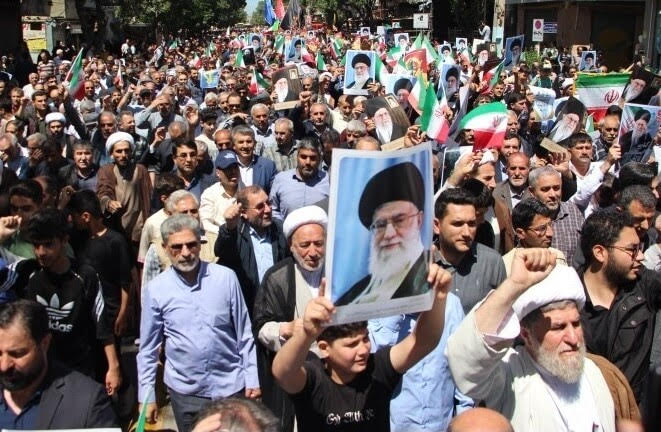
The authorities respond with force, but the force has not broken the resolve.
Instead, it has shaped the protests, made them more creative, more symbolic.
People find ways to express dissent quietly or visibly graffiti on walls, murals, banners stretched across streets, even small acts like refusing to follow orders in offices or schools.
Each act carries weight and act reminds everyone that the protests are not going away.
At the same time, daily life continues. Shops sell bread, buses carry commuters, families gather in the evening but underneath, tension hums.
People make choices constantly: Which route is safe? Which street should they avoid? How loudly can they speak?
These small decisions show how deeply the unrest touches ordinary lives, and how courage is measured not only in large demonstrations but in tiny acts of defiance every day.
You might wonder: what keeps people going when the risk is so high?
Part of it is frustration that has accumulated over years, a sense that the future is uncertain if nothing changes.
Part of it is solidarity a recognition that these protests are not just about individuals, but about collective experience.
People feel they owe it to themselves, to each other, and to future generations to keep the pressure on.
The international spotlight has turned toward Iran, but outside attention only partially explains the persistence.
On the streets, people are not waiting for validation they are making their own choices, in real time, in real life.
And sometimes those choices are dangerous. Protesters face arrests, injuries, and intimidation.
Yet, they continue. The courage is quiet, sometimes invisible, sometimes impossible to capture in a headline, but it is there.
Even the younger generation, often underestimated, is showing a unique kind of resilience.
They organize online, share strategies, and document what happens in ways older generations could not.
They adapt, learning from previous clashes, finding ways to sustain the movement despite crackdowns.
It’s a reminder that momentum in movements like this doesn’t come from one dramatic moment—it builds slowly, persistently, in countless small acts.
Of course, not everyone is on the streets, Some are wary, others weary. Fear is real, and survival instincts are strong.
But the very fact that the protests continue despite these pressures says a lot.
It suggests that the grievances run deeper than fear.
And that, perhaps, the protestors believe that silence would cost them more than the danger of speaking out.
As weeks turn into months, it becomes clear that this is not a protest that will fade easily.
Each new march, each new gathering, each new mural signals that the movement is alive, even if it shifts shapes and strategies.
The authorities can push back, but they cannot erase the memory of the streets that continue to rise.
So what happens next? No one can predict exactly. Some will leave, some will stay.
Some streets will empty temporarily, only to refill again.
And the world watches, trying to understand, often frustrated by the complexity.
But in the middle of it all, life moves forward. People work, laugh, argue, and live, all while carrying the weight of this struggle.
Tension remains, palpable and persistent. It shapes everyday decisions and changes the rhythm of life in Iran.
And maybe that’s the point. These protests aren’t just moments of anger—they are a constant reminder that people will keep pushing when they feel ignored, when they feel constrained, and when they feel that silence is no longer an option.
The streets of Iran are alive with determination.
They are tense, unpredictable, and unyielding. And for now, they refuse to fade.
(Iran Protests 2026)