Numerous Indians currently wonder if India is turning nationalist and this query is at the forefront of political discussions nationwide.
Patriotism has consistently influenced identity yet the surge of nationalism, in India today appears more fervent and emotionally charged
Within politics. 2025 Leaders, media and citizens vigorously promote national pride prominently
fostering an environment in which individuals vocally show allegiance and rapidly challenge those who oppose.
This change turns nationalist politics, in India into a tangible and noticeable movement.
Hyper nationalism exaggerates national pride and treats criticism as disloyalty.
People no longer debate ideas freely because political polarisation in India has sharpened every disagreement.
Than concentrating on logic or policy conversations frequently devolve into emotional conflicts.
The Indian political atmosphere 2025 reflects this clearly, voices that question or analyze government actions face instant judgement,
and society honors individuals who seem devoted, to their country.
Social media speeds up this growth. Platforms such as Instagram, WhatsApp and X influence people’s thoughts frequently distributing material more quickly, than impartial perspectives.
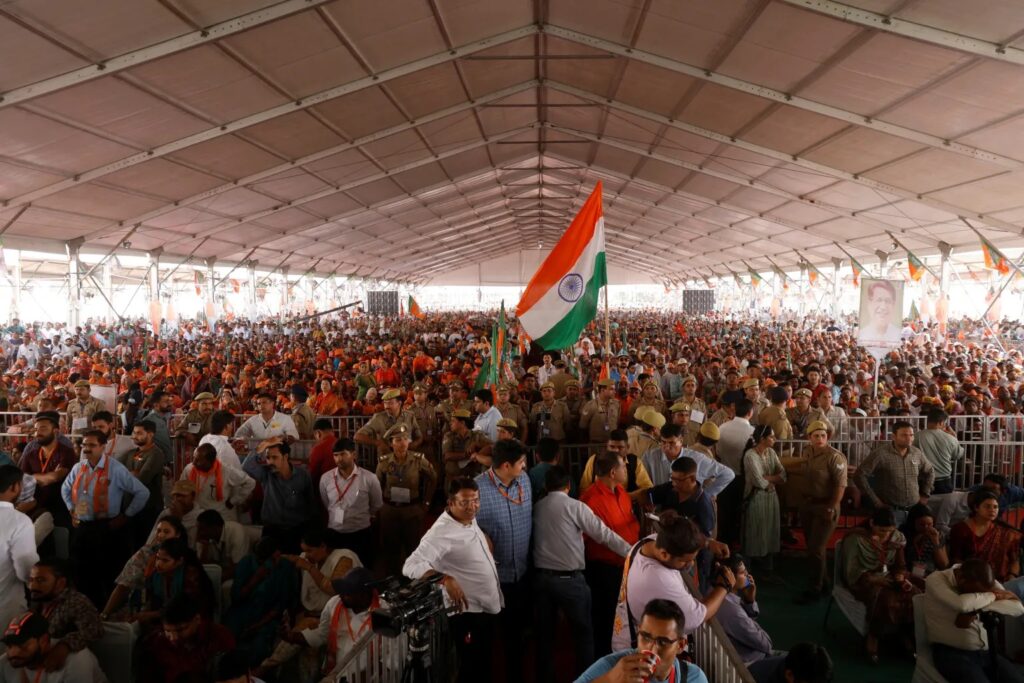
In India social media nationalism expands as algorithms favor content that sparks anger, pride and intense messages.
As a result, loud posts about national identity overshadows real issues like jobs, inflation or education.
Individuals circulate Slogans and videos without verifying facts turning the environment into an echo chamber that reinforces extreme nationalist stories.
This trend influences society deeply. Citizens hesitate to express honest opinions because they fear being called “anti-national”.
When the concept of identity is defined too restrictively minorities frequently experience a sense of exclusion.
Media platforms intensify this atmosphere by converting each discussion into a shouting match allowing space, for subtlety.T
The connection between nationalism and democracy in India becomes tense because open expression diminishes when citizens brand disagreement, as treason.
Political parties use this rising sentiment strategically. They highlight national symbols, historic victories and emotional slogans to win support.
During elections,leaders focus more on feeling than on detailed development plans.
Emotional Politics in India works because voters respond quickly to pride and fear.
Parties understand this and often choose sentiment driven messaging over hard data.
This method diverts the publics focus from enduring issues and redirects it towards discussions centered on identity.
Individuals seeking understanding wonder why nationalism is increasing in India and what effects it will have moving forward.
The effect of nationalism, on Indian communities is evident: public discourse diminishes,
polarisation increases and emotional reactions replace thoughtful discussion.
India has historically embraced a variety of viewpoints. Nowadays numerous citizens feel concerned, about voicing them freely.
Whether India is truly entering an era of hyper nationalist politics depends on how leaders, media and citizens behave in the coming year.
If they continue to amplify extreme emotion, India may move further into a space where national pride overshadows every policy issue.
However if society acknowledges the necessity, for equilibrium India can safeguard its democracy while also fostering a sense of patriotism.
The difficulty is, in embracing pride while maintaining perspective and fostering unity without muting dissent.
{Rise of nationalism in india)