
Prince Andrew arrest 2026 : In one of the most remarkable developments in recent British history,
Andrew Mountbatten Windsor formerly known as Prince Andrew was arrested on suspicion of misconduct in public office,
adding a dramatic new chapter to long-running controversies over his conduct and connections.
The arrest on February 19, 2026 ,his 66th birthday represents an extraordinary moment for the UK monarchy
and has set off intense legal, political, and public debate.
This article unpacks the background, the legal allegations, the real-world context around the ongoing investigation,
and the potential implications for both the individual involved and the British establishment.
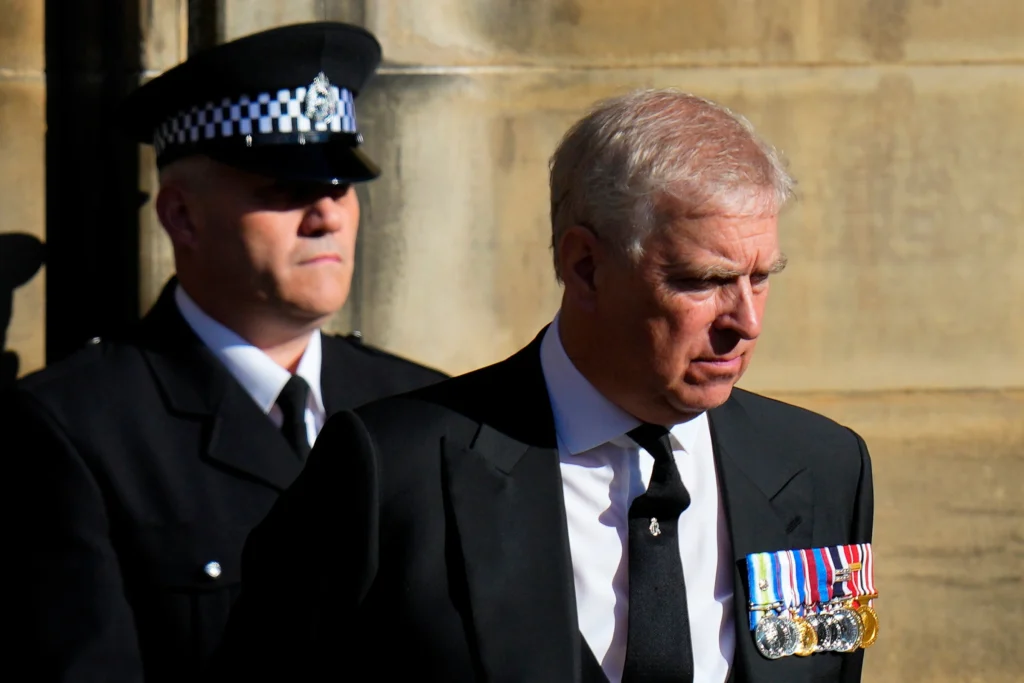
Historic First: Ex-Royal Arrested in Modern Britain
The arrest of Mountbatten Windsor marks the first time a senior member of the British royal family
has been taken into custody in nearly 400 years, according to multiple news reports.
Historically, members of the monarchy were considered largely sovereign or protected figures
with the last prominent arrest of a monarch dating back to the 17th century.
Although he was released after approximately 10–12 hours of custody,
police confirmed that the investigation continues under formal inquiry.
Searches were carried out at his former residence on the Sandringham estate as well as his previous home at Windsor.
What Is Prince Andrew Accused Of?
The core allegation revolves around “misconduct in public office”, a serious criminal offence under UK law.
This charge does not yet equate to formal prosecution,
but it carries a maximum penalty of life imprisonment if proven at trial.
Specifically, investigators are looking into whether Mountbatten Windsor shared confidential government information
with the late convicted sex offender Jeffrey Epstein during his tenure as a UK trade envoy in the early 2010s.
Newly released files from the U.S. Department of Justice reportedly include emails suggesting
he forwarded sensitive diplomatic and commercial documents to Epstein.
In addition to the document allegations, police are also reviewing claims that Epstein
may have trafficked a woman to the UK for an encounter with Andrew,
though these remain distinct from the primary misconduct inquiry.
Legal and Media Impact
Though released from police custody, Mountbatten Windsor remains under formal investigation,
meaning he is not cleared of wrongdoing and his legal status remains uncertain.
The UK Crown Prosecution Service (CPS) defines misconduct in public office as “serious willful neglect of duty,
or misconduct to such a degree that it amounts to abuse of the public’s trust,”
a high bar that requires strong evidence of intentional neglect or abuse.
Legal analysts caution that proving such offences at trial is challenging and hinges
on establishing a clear breach of duty and wrongful sharing of official information.
The Epstein Connection: Context and Consequences
The arrest cannot be separated from the broader legacy of the Jeffrey Epstein scandal,
which has implicated powerful figures worldwide since the American financier’s conviction and later death in custody.
Epstein was linked to charges of sex trafficking and exploitation, and his extensive network included politicians, businessmen, and celebrities.
Prince Andrew’s long-publicised friendship with Epstein placed him under scrutiny for years.
He previously faced civil lawsuits in the United States over sexual abuse allegations,
which he settled out of court, and was stripped of several royal titles and duties in 2025 amid mounting public pressure.
This latest arrest tied not to those sexual abuse allegations but to alleged official misconduct represents a new legal front.
The involvement of anti-monarchy campaign groups in prompting the investigation reflects growing demands for accountability, regardless of status.
Reactions from the Palace and Public
King Charles III, the current monarch and Andrew’s older brother, issued a statement saying “the law must take its course,”
signalling official support for the judicial process while maintaining a careful diplomatic posture.
Public response has been deeply divided.
Some express relief and view the investigation as a moment of accountability,
while others see the episode as a profound crisis for the image and stability
of the monarchy amid wider debates on privilege and justice.
Survivors’ advocates and family members connected to earlier Epstein cases welcomed the progress, asserting
that no one, regardless of social standing, should be immune from legal scrutiny.
Wider Implications for the Monarchy and the Rule of Law
This case has far-reaching implications beyond a single individual:
1. Rule of Law and Equality
The arrest reinforces the principle that even high-profile figures can be
investigated under standard criminal law a precedent not seen in centuries.
2. Monarchy’s Public Perception
The royal institution, already navigating waves of modernisation and relevance crises, faces intensified public scepticism over transparency and accountability.
3. Global Media and Diplomacy
International coverage of the arrest feeds into larger narratives about privilege, justice,
and how institutions respond to scandal in democratic societies.
At this stage, Mountbatten-Windsor has been released under investigation
meaning police will continue gathering evidence and could later refer the case to prosecutors for a charging decision.
With legal experts noting the difficulty of securing a conviction without overwhelming proof,
the path ahead remains uncertain.
But the legal saga will undoubtedly continue to unfold in public view,
shaping discussions about accountability, royal privilege, and the legal system’s reach in 2026.
The arrest of a former senior royal on suspicion of misconduct in public
office is a watershed moment for British governance and global media.
It ties together complex legal standards, the enduring fallout from the
Epstein scandal, and evolving expectations of transparency in public life.
As the investigation progresses, it will test not only prosecutorial resolve
but also public confidence in institutions that underpin modern democracy.
(Prince Andrew arrest 2026)









[…] Also Read […]